
The SHIELD project, a cross-border initiative focused on improving early detection and risk stratification for pancreatic cancer, has reached its first-year milestone. Bringing together 13 participating countries, the project aims to advance non-invasive diagnostic approaches and strengthen data-driven clinical pathways for high-risk populations.
Over the past year, the consortium has concentrated on building the operational, ethical, and technical foundations required for large-scale clinical pilots. With key systems now in place, SHIELD is moving from preparation into implementation. Project Coordinator Izidor Mlakar reflects on the progress achieved so far and the priorities for the year ahead.
What are the most significant milestones achieved in the first year of SHIELD?
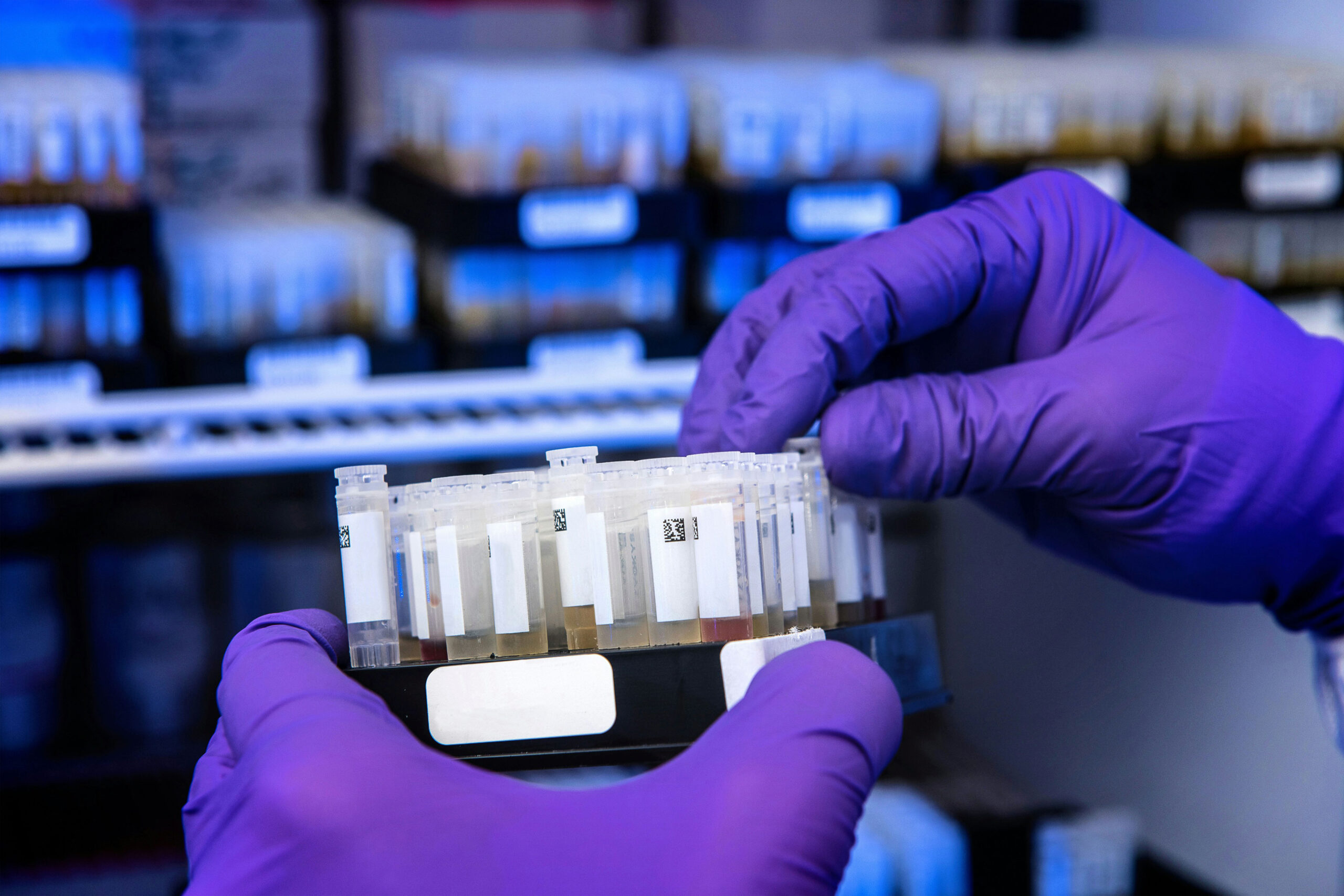
Overall, the first year has been about building the foundations for the pilots. Everything is now in place, including study registration, ethics approvals, legal frameworks, standard operating procedures, and systems for biomaterials handling and data management. A prototype of the digital platform has also been developed, and most participating centres are now ready to begin recruitment.
How has cross-border collaboration across the 13 participating countries worked in practice?
The collaboration has worked well in terms of establishing structure and aligning partners across countries. A coordinated cluster setup has been established, including a link with the Slovenian AI Factory, which contributes to the technical backbone of the project.
Is there any preliminary evidence yet regarding the non-invasive blood test or risk stratification tools?
At this stage, it is still too early to generate new pilot evidence. Beyond findings already available from previous studies, no new pilot data have been collected yet. This will follow as recruitment and testing progress in the second year.
What challenges are expected as the project moves into its second year?
No major structural issues are anticipated, but several operational and technical aspects will require close monitoring. One area of attention is blood sample collection and handling, particularly in dynamic hospital environments where procedural variability may occur. Such issues could impact downstream protein discovery if not properly controlled.
Another key focus will be testing the scalability of the digital infrastructure to ensure it can support 5,000+ users. The consortium is also closely monitoring the use of large language models, particularly in relation to hallucinations and cultural adaptability within the decision-support layer.
What are the main priorities going into year two?
With the core systems now established, the focus is shifting toward implementation and recruitment. Ensuring robust operational workflows, validating the digital infrastructure at scale, and initiating clinical pilot activity will be key priorities in the coming year.

As SHIELD enters its second year, the project transitions from setup to active execution. With ethical, legal, and technical frameworks in place and participating centres ready to recruit, the consortium is well positioned to begin generating real-world pilot data.
While operational and technical challenges remain, particularly around sample handling consistency and the scaling of digital and AI components, the foundations are in place for a critical phase of clinical validation. The coming year will be essential in advancing non-invasive approaches for earlier detection and improved risk stratification in pancreatic cancer.