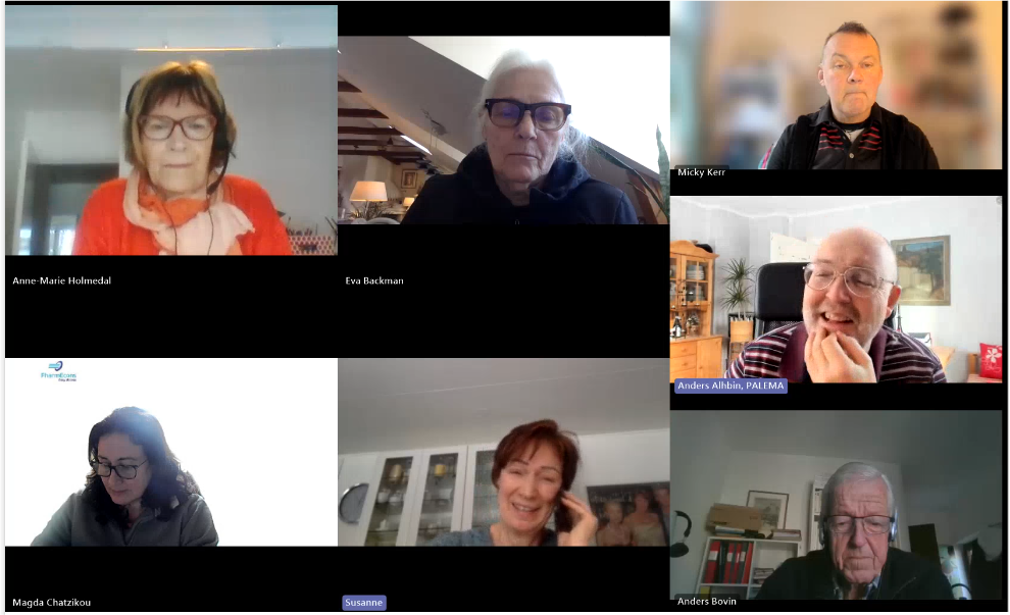
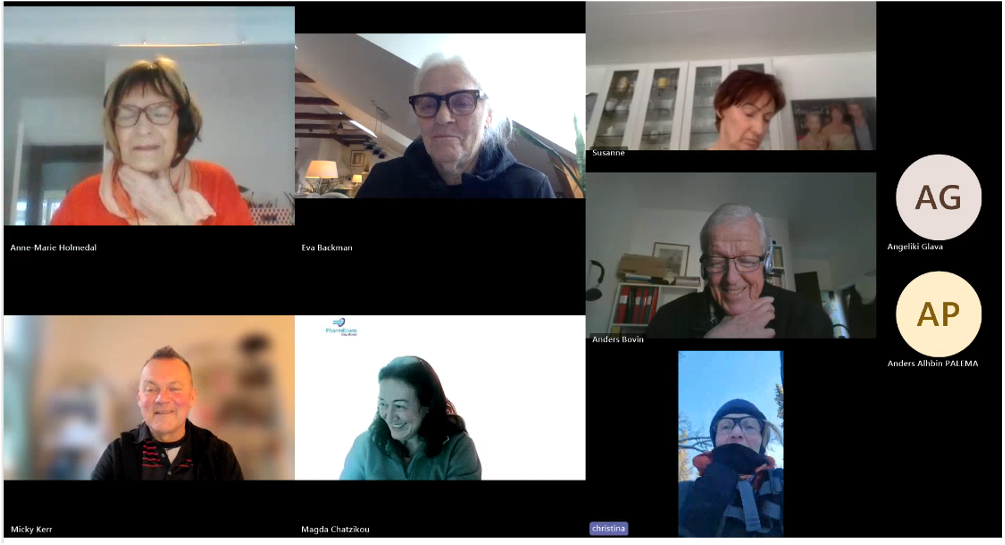
As part of the SHIELD programme, a focus group with three pancreatic cancer patients and three relatives from the patient organisation PALEMA (Sweden) explored experiences with diagnosis, treatment, and daily life, as well as views on surveillance, new diagnostics, and digital health tools. The study was organised by Pharmecons Easy Access, with Dr. Micky Kerr as the interviewer.
Participants described diagnosis as complex and often delayed, causing significant psychological stress. Anxiety and emotional stress can be harder to cope with for relatives, highlighting the need for better support. Patients emphasised the importance of hope and positivity in discussions about prognosis.
Challenges with healthcare systems, including long waiting times, poor communication, and delayed feedback, made comfort with questioning clinicians and seeking second opinions important for both patients and relatives. There was strong support for long-term surveillance programmes and interest in new diagnostic approaches, particularly blood-based tests and liquid biopsies, to improve early detection and provide reassurance.
Digital technology was recognised as a valuable way to enhance patient experiences, as long as it complements a patient-centred approach with healthcare professionals remaining central. Overall, participants highlighted the need for coordinated, supportive care that reduces stress and strengthens support for patients and families.